
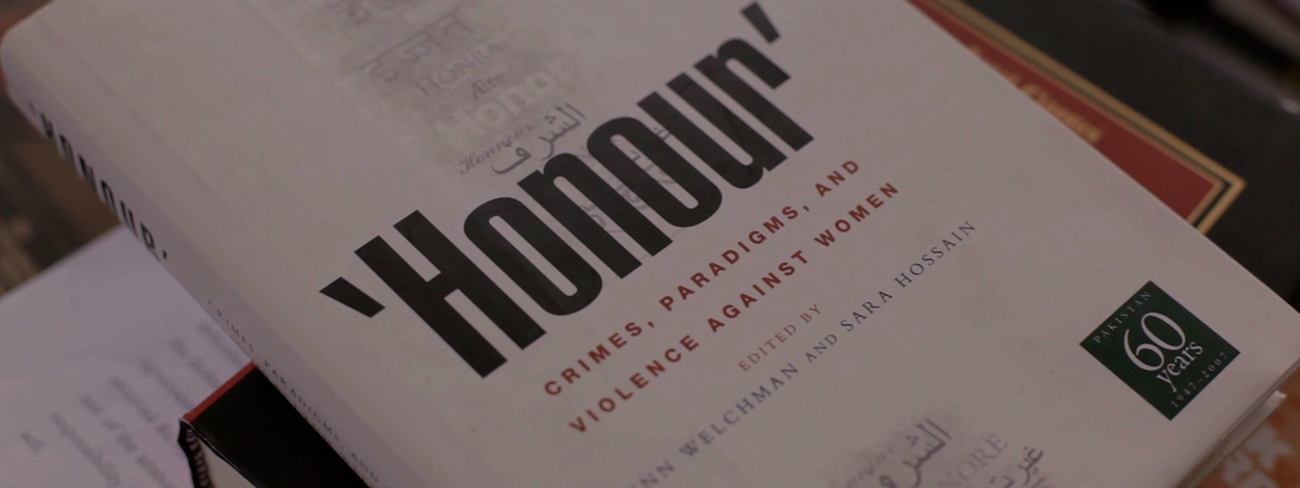
WHEN A FILM ENTERS THE CONVERSATION
For SOC Films, advocacy begins with making an issue impossible to ignore. Our films have travelled beyond the screen into parliament, government, institutions and advocacy campaigns — giving lived experience a place in conversations about law and policy.
These are three stories where storytelling became part of something larger.
SAVING FACE (2012)
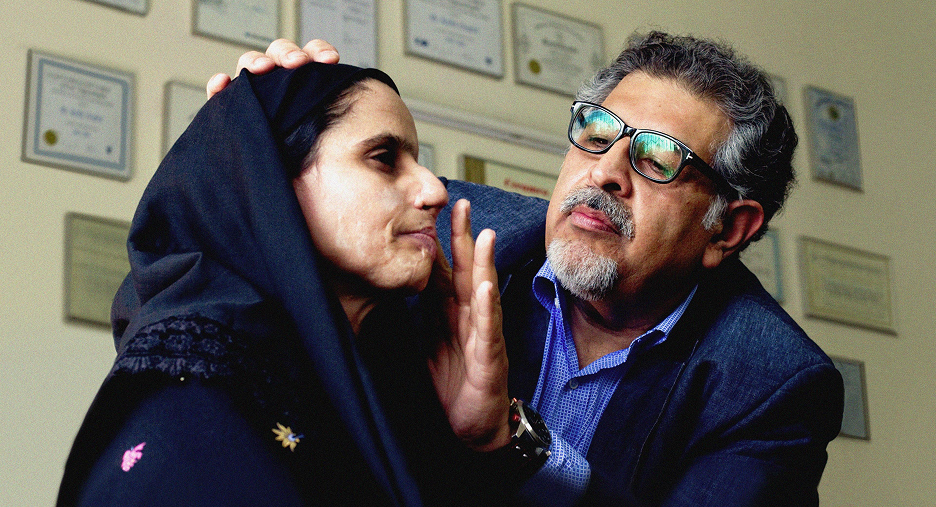
Saving Face follows acid-attack survivors Zakia and Rukhsana as they seek justice and reconstructive treatment, alongside British-Pakistani surgeon Dr Mohammad Jawad.
Released after Pakistan strengthened criminal penalties for acid attacks in 2011, the Academy Award-winning film brought unprecedented national and international attention to acid violence and the women living with its consequences. It also gave greater visibility to the work of survivors, advocates and organisations pushing for stronger protections, implementation and comprehensive acid-and-burn legislation.
The film became part of a much wider advocacy effort around how Pakistan investigates, prosecutes and responds to acid violence. Its impact extended beyond awareness: the film has also been credited with contributing to greater attention to prosecution and implementation, including the processing of acid-attack cases through anti-terrorism courts in Punjab.
This film was also monumental in the advocacy and amplification of the legislation introduced in 2011. The Acid Control and Acid Crime Prevention Bill stipulates that perpetrators can be jailed for up to 14 years to life, in addition to receiving a PKR 1 million fine.
A Girl in the River (2015)
A Girl in the River: The Price of Forgiveness tells the story of Saba Qaiser, who survived being shot by her father and uncle after marrying against her family’s wishes. The film exposed a critical weakness in Pakistan’s laws around so-called “honour killings”: perpetrators could escape punishment when forgiven by a victim’s family — often the same family implicated in the crime.
Following the film’s Academy Award nomination, Prime Minister Nawaz Sharif publicly committed to addressing honour killings and hosted a screening in Islamabad. The film became part of an intensified national and international conversation around reform, bringing Saba’s experience into direct proximity with policymakers and government.
Pakistan’s parliament subsequently passed legislation strengthening the law against honour killings.
FORSAKEN: CHILDREN OF MINORITY (2022)
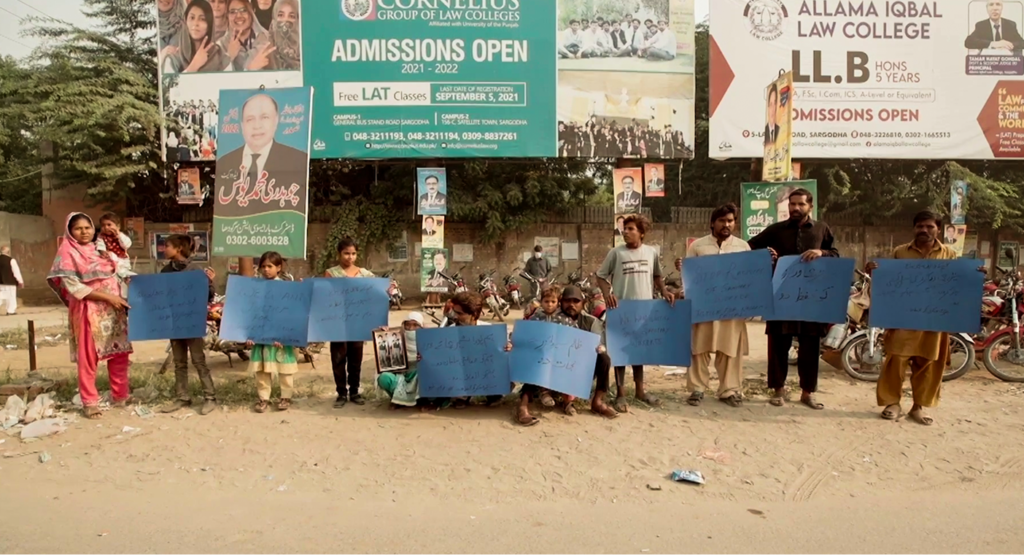
Forsaken is a five-part SOC Films series examining discrimination, exclusion and violence experienced by Pakistan’s religious minorities. One film followed the families of Christian sanitation workers who died after exposure to toxic gases while working in sewers.
The film became an advocacy tool for Pakistan’s National Commission for Human Rights, which was campaigning against discriminatory employment practices that explicitly associated sanitation work with Christians and other non-Muslims.
The NCHR screened the film as part of its minority-rights campaign and used storytelling alongside research, consultation and government engagement to press for change. Provincial governments subsequently pledged to address discriminatory recruitment language, and the NCHR records that government authorities banned discriminatory advertisements targeting Christians for sanitation positions.
